Things to Do in Döşemealtı: A Day Below Termessos with Karain Cave, Kırkgöz Han and Carpet Villages
Things to do in Döşemealtı: Karain Cave, Kırkgöz Han, handwoven carpets and a village breakfast below Termessos – a full and rewarding day trip from Alanya.
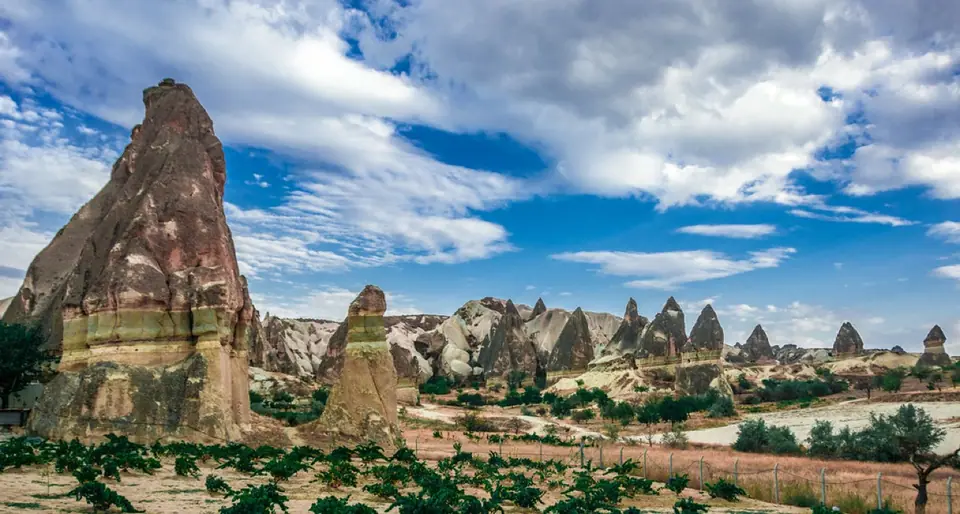
Things to do in Döşemealtı: more than just Termessos
Most travellers first hear the name Döşemealtı alongside the ancient city of Termessos and limit their trip to the ruins high on Güllük Mountain. Yet this wide district on the plain north of Antalya, nestled against the foothills of the Taurus Mountains, holds far more than a single ancient site. Look closer at the things to do in Döşemealtı and you will find a cave bearing some of humanity's oldest traces, stone caravanserais on the Seljuk trade route, a wetland fed by countless springs, and carpet villages that keep a centuries-old Yörük weaving tradition alive.
This guide is for those who already know how to get to Termessos or have visited the ancient city before. Our aim is to help you build a day around stops in the same area that sit in Termessos's shadow yet are every bit as impressive. Döşemealtı lies roughly 150-160 kilometres from Alanya and takes two to two and a half hours to reach, depending on traffic. Set off early and you can comfortably fit the cave, the caravanserais and a village meal into a single day. On top of that, the district offers a quiet, authentic side of Antalya, far from the crowds of the coast.
Karain Cave: a home for hundreds of thousands of years
Döşemealtı's most important yet least known treasure is Karain Cave, which opens into the limestone slope of Şam Mountain near the village of Yağca. Located about 25-30 kilometres from Antalya city centre, the cave is considered one of the most significant Palaeolithic sites in Turkey. Excavations here have uncovered stone tools dating back to the Lower Palaeolithic, Neanderthal remains and a great number of animal fossils. In other words, this rocky hillside served as a shelter and home for people over hundreds of thousands of years.
Stone steps lead up to the cave from the car park; the climb is short but steep, so comfortable shoes are a must. Inside you will see spacious interconnected chambers and excavation areas. A small museum building near the entrance displays some of the finds along with information about the history of the excavations, while the most valuable pieces are kept at the Antalya Museum. The cave stays cool even in summer, so bringing a light layer is a good idea. Opening hours and entry conditions can change, so we recommend checking the latest information before you set out.
Kırkgöz Lake and the peaceful wetland scenery
In the north of the Döşemealtı plain, close to the Antalya-Burdur highway, Kırkgöz Lake and its surrounding wetland are where the region's water story begins. The name, meaning forty springs, comes from the many springs that bubble up from the ground here. The area is known as an important part of the karst water system that feeds Antalya's famous Düden Waterfalls. Rain and snowmelt from the Taurus seep through the limestone and resurface here.
Kırkgöz is especially rewarding for birdwatchers in autumn and winter, when herons, ducks and various other waterbirds can be spotted among the reeds. Don't expect large tourist facilities; the real pleasure lies in a short walk along the reed-fringed shore, listening to the silence against a mountain backdrop and taking photos. If you own binoculars, be sure to bring them. In midsummer the water level may drop and the midday heat can be oppressive, so early morning or late afternoon is the best time to visit. Remember that the wetland is a protected natural habitat, so take care not to leave litter or disturb the birds.
Kırkgöz Han and Evdir Han on the Seljuk caravan route
During the Seljuk era, Antalya was one of Anatolia's most important ports on the sea, and the caravan routes leading inland from this harbour passed through Döşemealtı. The most tangible traces of this history are the caravanserais built along the way. Kırkgöz Han stands near the wetland of the same name on the Antalya-Burdur road and is a simple yet powerful example of 13th-century Seljuk architecture. With its cut-stone walls, courtyard and arched entrance, it is easy to imagine the days when merchants, camels and travellers stopped here for the night.
On the Antalya-Korkuteli road, near the route to Termessos, you will find Evdir Han. Also dating to the early 13th century, this caravanserai is partly ruined, but its setting amid rocky terrain and the traces of ancient settlement around it make it an atmospheric stop. Both caravanserais can be explored quickly; half an hour is usually enough. As there are few facilities nearby, carry your own water. For photography, morning and late afternoon are ideal, when soft light brings out the texture of the stone.
Döşemealtı carpets: a tradition from the Yörük looms
In Turkey, the name Döşemealtı makes many people think of carpets first. The Yörük communities who have lived in the region for centuries dyed yarn spun from sheep's wool with natural root dyes and wove carpets in distinctive patterns. Dominated by red, navy blue and warm earth tones and decorated with geometric motifs, the Döşemealtı carpet is among the local products registered with a geographical indication.
Today, workshops, cooperatives and women who set up looms in their own homes still keep this tradition alive in the district's villages. Visit a weaving workshop and you can see with your own eyes how each knot is tied by hand and why a single carpet can take months to finish. If you are thinking of buying, don't hesitate to ask about the difference between handwoven and machine-made carpets; slight irregularities in the knots on the back and subtle variations in the natural dye tones are signs of genuine handwork. Even if you can't take home a large carpet, a small prayer rug or cushion cover can be the most meaningful souvenir of the trip. It is also good manners to ask permission before taking photos in the workshops.
Village breakfast, gözleme and flavours of the plain
Döşemealtı is one of the places locals from Antalya escape to for a weekend breakfast. Near the road to Termessos and at the foot of Güllük Mountain, you will often see village breakfast spots and gözleme stalls with tables set up in shady gardens. The spread usually includes local cheeses, village butter, honey, homemade jams, hot gözleme, a thin stuffed flatbread, and tea brewed over embers. Thanks to the fruit and vegetables grown on the plain, in season you can enjoy plates enriched with fresh tomatoes, peppers and produce straight from the region's gardens.
When planning your day, scheduling Karain Cave for the cool morning hours and then taking a late breakfast or lunch break strikes a good balance. Popular spots can get crowded at weekends, so going on a weekday or grabbing a table early makes things easier. Döşemealtı is also known for growing saplings and ornamental plants, and the roadside nurseries make an interesting stop for garden lovers. On the way back, don't miss the chance to buy seasonal fruit or local honey from the village stalls along the road.
When to go and how to plan your day
As Döşemealtı sits on a plain above sea level, its climate is slightly cooler and drier than the coast, though summer afternoons can still be quite hot. The most pleasant times to visit are March to May, when the countryside turns green and wildflowers bloom, and October to November, when the heat softens. Winter visits are possible too, as the cave and caravanserais are interesting all year round; just keep in mind that the cave steps can be slippery on rainy days.
A sample itinerary could look like this: leave Alanya early in the morning, visit Karain Cave first, then stop for a village breakfast or lunch. In the afternoon, head to Kırkgöz Han and the wetland, and if time allows, visit a carpet workshop. If you haven't seen Termessos yet, you can add it to the day, but the steep walk at the ancient city makes the schedule tight. Bring comfortable walking shoes, a hat, sunscreen, plenty of water and a light jacket. Public transport between the stops is limited, so a private car or an organised tour is the most practical option.
Plan your Döşemealtı and Termessos tour with Alanya Best Trips
While it is possible to explore Döşemealtı's scattered sights in your own car, long drives, hunting for parking and route planning can eat into your holiday. If you want to see the region effortlessly, the tours we offer at Alanya Best Trips let you explore without that hassle. On our trips covering Termessos and the historical and natural highlights around Antalya, we take care of the route and timing for you, so your day is spent as efficiently as possible.
Our tours include hotel pick-up from many areas, from Alanya centre to Mahmutlar, from Konaklı to Avsallar, and from Side and Manavgat to Kemer; all you need to do is be ready in front of your hotel in the morning. For current tour programmes, departure days and pick-up details for your hotel, visit https://alanya-trips.com. Our team will gladly help with any questions before you book. We recommend adding this peaceful day at the foot of Termessos, stretching from humanity's oldest traces to Seljuk caravanserais, to your plans today.
© Feridun F. Alkaya, CC CC0 1.0, https://www.flickr.com/photos/11773439@N03/44638460985